
makeup table with lighted mirror
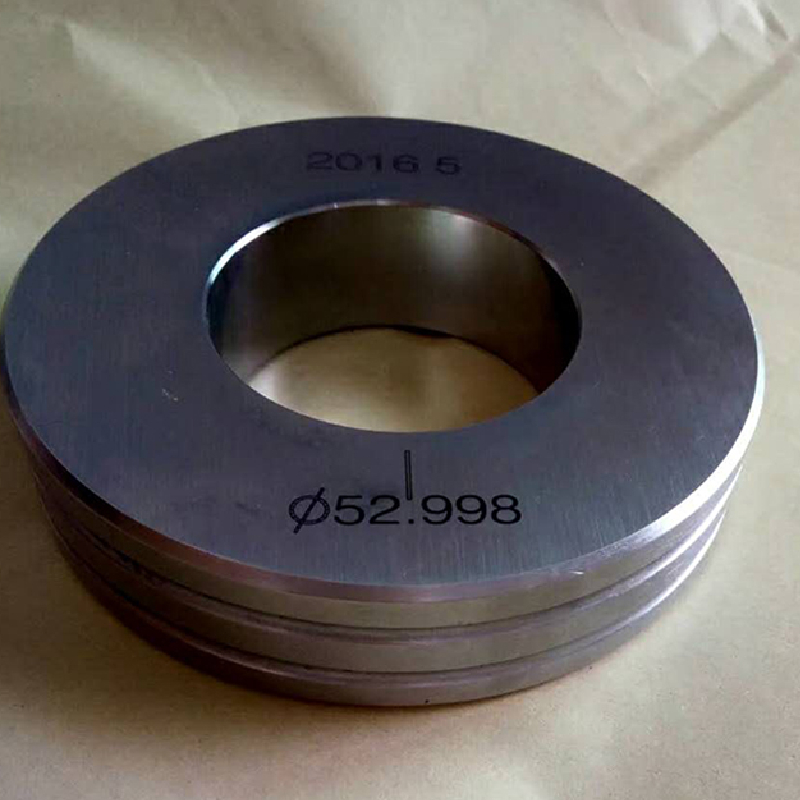
Understanding Metal Ring Gauges A Comprehensive Overview In the realm of precision measurement, metal ring gauges play a crucial role in ensuring the accuracy of various applications across industries. These essential tools are designed to assess and verify the dimensions of components, thus guaranteeing quality and conformity to specified standards. This article delves into the significance of metal ring gauges, their types, applications, and the advantages they offer in various industrial setups. What are Metal Ring Gauges? Metal ring gauges are specialized measuring instruments used primarily for checking the dimensions of cylindrical parts, particularly their outer diameters. They come in a variety of designs, including plain ring gauges, tolerance rings, and check gauges. Made from high-quality steel or other durable metals, these gauges are meticulously crafted to provide accurate and consistent measurements. Types of Metal Ring Gauges There are several types of metal ring gauges, each serving a unique purpose 1. Go/No-Go Gauges These gauges are used to determine whether a part meets the specified tolerance limits. The Go side of the gauge should fit over the workpiece if it is acceptable, while the No-Go side should not fit if the part is within specifications. 2. Plain Ring Gauges These are utilized for measuring the external diameter of cylindrical components. They provide a clear indication of whether the diameter is within the desired tolerance range. 3. Step Gauges Designed to measure different dimensions at specific intervals, step gauges help in assessing parts with varying diameters or features. 4. Thread Ring Gauges Tailored for checking threaded components, these gauges ensure that the threads meet the required standards for fit and function. Applications of Metal Ring Gauges Metal ring gauges find applications in various industries including metal ring gauge - Manufacturing In the manufacturing sector, especially in CNC machining and assembly lines, metal ring gauges are vital for ensuring that components meet precise tolerances before they are put into production or shipped to customers . - Automotive In the automotive industry, these gauges are used to check the dimensions of engine components, ensuring proper fit and performance. - Aerospace The aerospace sector relies heavily on metal ring gauges to maintain strict tolerances necessary for safety and performance in flight. - Medical Devices In the production of medical equipment, precision is paramount. Metal ring gauges are employed to guarantee that devices meet regulatory standards and function reliably. Advantages of Metal Ring Gauges The use of metal ring gauges offers numerous advantages, including - Precision Metal ring gauges provide high levels of accuracy, which is critical in industries where even minor deviations can lead to significant issues. - Durability Constructed from strong materials, these gauges can withstand the rigors of industrial environments, providing long-lasting performance. - Ease of Use Their simple design makes metal ring gauges easy to use, allowing operators to quickly verify dimensions without complex setups. - Cost-Effective By ensuring that parts are manufactured to specification, metal ring gauges help in reducing waste and rework, thus saving time and resources. Conclusion In conclusion, metal ring gauges are indispensable tools in the pursuit of precision in manufacturing and quality control. Their various types and applications highlight their versatility and importance in ensuring that components meet stringent specifications. By investing in high-quality metal ring gauges, companies can enhance their operational efficiency, improve product quality, and ultimately fulfill customer expectations. As industries continue to evolve, the demand for these precision measuring tools will undoubtedly remain strong, making them a cornerstone of quality assurance in manufacturing processes.
about
makeup table with lighted mirror
Understanding Pad Vibration A Key Element in Modern Technology In recent years, the advancement of technology has led to the development of various devices that have become integral to our daily lives. Among these innovations, the pad, particularly in the context of tablets, smartphones, and wearable technology, plays a crucial role. However, one often overlooked aspect of these devices is pad vibration. This phenomenon not only enhances the user experience but also serves multiple purposes in user interface design, gaming, and notifications. The Science Behind Pad Vibration Pad vibration is primarily achieved through the use of small motors, typically linear resonant actuators (LRAs) or eccentric rotating mass (ERM) motors. These components are designed to create tactile feedback, which is crucial for enhancing user interaction. When a user receives a notification, taps on the screen, or interacts with an app, the pad's motor generates a vibration, providing a physical sensation that complements the visual and auditory signals. The science behind these vibrations is rooted in mechanics. The motors create movement that converts electrical energy into kinetic energy, resulting in a feeling of vibration. This is carefully calibrated to ensure that the feedback aligns with user expectations, creating a seamless and intuitive interaction. Enhancing User Experience One of the primary reasons pad vibration is so prevalent in devices is its ability to enhance user experience. Tactile feedback serves as an informative cue that our actions have been recognized by the device. For instance, when typing on a virtual keyboard, the vibration that accompanies each key press mimics the sensation of a physical keyboard, increasing user satisfaction and productivity. Moreover, pad vibration adds an emotional dimension to interactions. In gaming, for example, players often experience vibrations that correspond with in-game events, such as explosions or collisions . This immersive experience enhances the realism of the game, making it more engaging and enjoyable. pad vibration Applications in Various Fields Beyond everyday consumer gadgets, pad vibration has found applications across various industries. In the field of healthcare, wearable devices equipped with vibration feedback can alert users to important notifications, such as reminders to take medication or alerts for low heart rates. These devices offer a discreet way to stay informed without the need for visual or auditory alerts, catering to the needs of diverse users. In addition to healthcare, the automotive industry has also adopted pad vibration technology in infotainment systems. Drivers can receive tactile feedback when navigating through menus or receiving alerts, allowing them to stay focused on the road while interacting with their devices. Challenges and Future Developments Despite its advantages, the implementation of pad vibration is not without challenges. Balancing the intensity and duration of vibrations to cater to different user preferences while also conserving battery life is a critical concern for manufacturers. Additionally, as technology continues to evolve, the demand for more advanced and varied haptic feedback experiences is increasing. Innovations in this space include the development of haptic feedback systems that can simulate textures and more complex vibrations, providing a richer user experience. Researchers are also exploring how to use vibrations to convey information in novel ways, such as using varying patterns to signify different levels of urgency. Conclusion In conclusion, pad vibration is more than just a fun feature; it is a pivotal component of modern interaction and communication technologies. By providing tactile feedback, enhancing user experience, and opening up new applications across various industries, pad vibration technology continues to evolve and improve. As we look to the future, the advancements in this field will not only make our devices more responsive but will also redefine how we interact with the digital world. As users, we can expect even more innovative and intuitive experiences that leverage the power of vibration to make technology feel more human.
-

High quality industrial productsagement

High quality industrial products
View Details -

Meet the diverse needs of customers

Meet the diverse needs of customers
View Details -

Strict quality control

Strict quality control
View Details -

Top raw materials

Top raw materials
View Details -

Trusted supplier

Trusted supplier
View Details
Our application

news and information
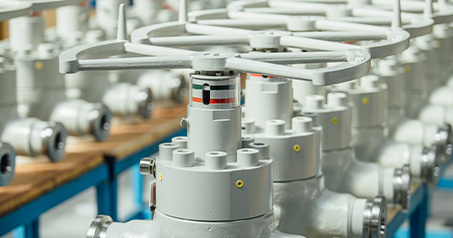
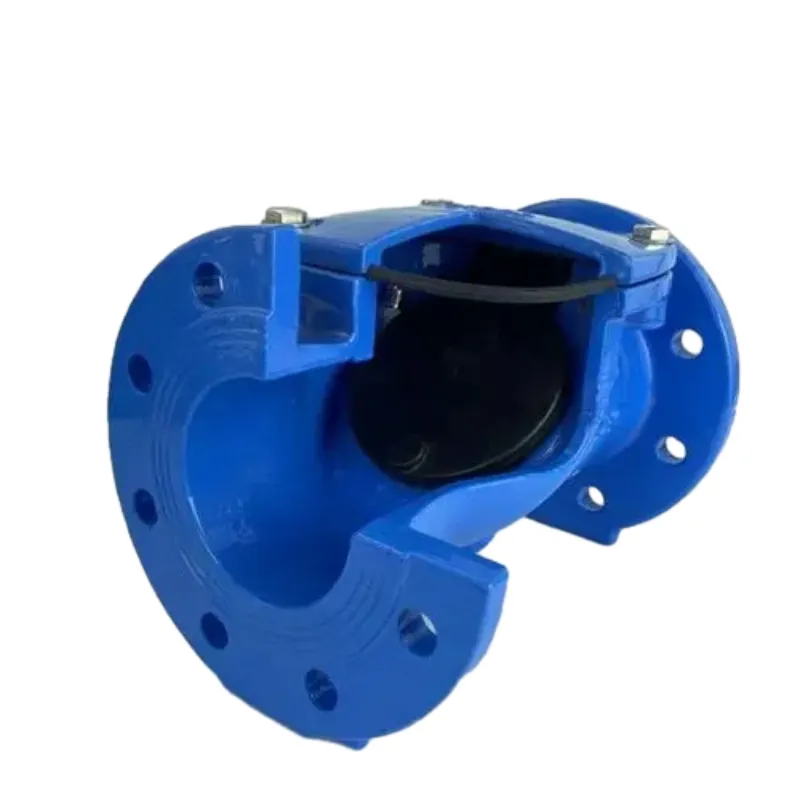
water valve main
Understanding Water Valve Main Key Components and Importance Water valves are critical components in

Valve Wholesale Quality Products & Competitive Prices
Valve wholesale is an integral part of numerous industries ranging from oil and gas to pharmaceutica
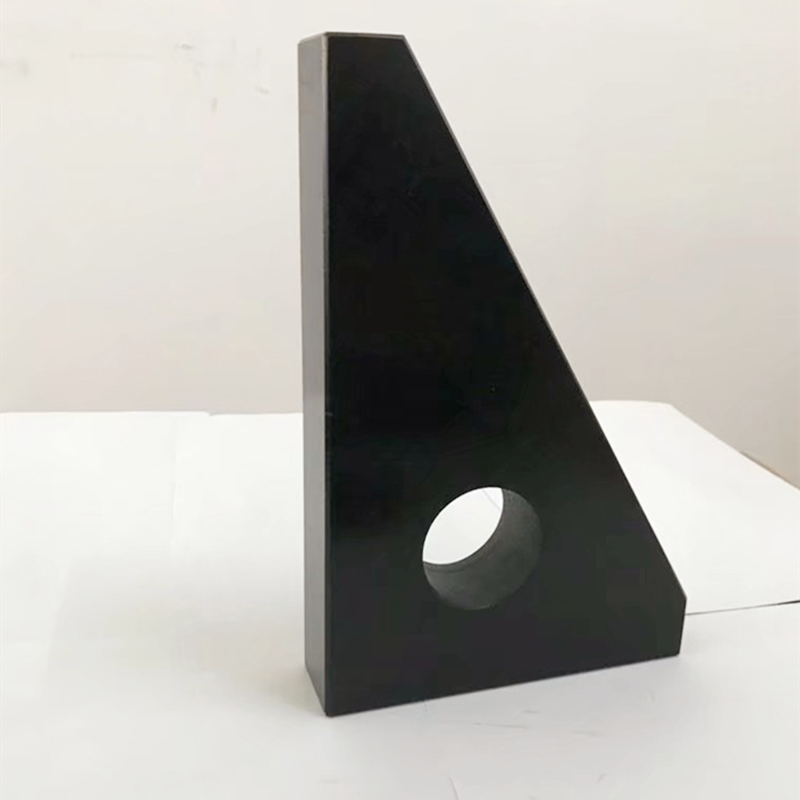
What is a Spline Ring Gauge_ Understanding Its Role in Precision Measurement
In the world of precision engineering and manufacturing, accurate measurements are the foundation fo
 English